
How to Get Your Security Deposit Back: A Step-by-Step Renter's Plan
In this guide
- Start at move-in: document everything
- Know what landlords can and cannot deduct
- Take care of the place while you live there
- Give proper notice and a forwarding address
- Clean and repair before you hand back the keys
- Do a final walkthrough and take move-out photos
- What to do if your deposit is late or short
- Frequently asked questions
Your security deposit is often one of the biggest checks you will ever hand a landlord, and getting it back is mostly about paperwork and timing, not luck. The work starts the day you get your keys, not the week you move out. Here is a practical plan, from move-in photos to a demand letter if things go sideways.
Start at move-in: document everything
The single best thing you can do for your deposit happens before you unpack a box. Most deposit disputes come down to one question: was that damage there before you? If you can prove the answer, you are in a strong position.
- Fill out the move-in inspection form if your landlord provides one. Be picky. Write down every scuff, stain, chip, and loose fixture, even small ones.
- Take date-stamped photos and a slow walkthrough video of every room. Open cabinets, the oven, the fridge, and the dishwasher. Film the carpet up close.
- Photograph the things landlords most often charge for: carpet stains, wall holes and scuffs, blinds, countertops, bathroom grout and caulk, appliance interiors, window screens, and door frames.
- Email the photos and your notes to your landlord or property manager within the first few days. That creates a timestamped record they received.
- Keep a copy of the signed lease and any addenda somewhere you will still have access to in a year or two, like cloud storage.
If you are still apartment hunting, our guide on questions to ask before signing a lease covers what to ask about deposits and fees up front.
Know what landlords can and cannot deduct
In general, a landlord can deduct for unpaid rent and for damage beyond normal wear and tear. Normal wear and tear is the gradual deterioration that happens when someone simply lives in a home. The exact rules vary by state and city, so check your lease and local law.
| Usually normal wear and tear | Usually chargeable damage |
|---|---|
| Light scuffs on walls from furniture | Large holes, unapproved paint colors |
| Carpet worn thin in walkways | Pet stains, burns, or rips in carpet |
| Faded paint or blinds from sunlight | Broken or missing blinds |
| Minor nail holes from hanging pictures | Broken doors, windows, or fixtures |
| Loose door handles from regular use | Excessive dirt, grease, or trash left behind |
The line is not always crisp, which is exactly why your move-in photos matter. Also read your lease for specific charges, such as carpet cleaning or rekeying fees, so nothing surprises you.
Take care of the place while you live there
Small habits prevent big deductions later.
- Report maintenance problems in writing as soon as you notice them, especially leaks. A slow drip under the sink that you reported is the landlord's problem. One you ignored for six months can become yours.
- Use removable hooks and strips for decor when your lease limits wall holes.
- Put felt pads under furniture and use a doormat and rugs in high-traffic spots.
- Get written permission before painting, installing shelves, or swapping fixtures, and keep the original parts.
More everyday habits that keep a rental in good shape are in our apartment living tips.
Give proper notice and a forwarding address
Many deposit problems start with a missed step at the end of the lease.
- Check your lease for the notice requirement. Many leases require written notice, often 30 or 60 days, before you move out. Some make the deposit refund depend on giving that notice.
- Give notice in writing and keep a copy. Email plus the landlord's preferred method (portal, letter) is a safe combination.
- Provide your forwarding address in writing. This is important. In Texas, for example, a landlord is generally not required to refund the deposit or send an itemized list of deductions until the tenant gives a written forwarding address.
Here is a simple script you can adapt:
"Hi [Name], this is written notice that I will be moving out of [address, unit] on [date]. My forwarding address for the security deposit refund and any itemized deductions is [address]. I would like to schedule a move-out walkthrough. Please let me know what times work. Thank you, [Your name]."
Clean and repair before you hand back the keys
Aim to return the unit in the same condition you received it, minus normal wear and tear. Focus on the areas landlords inspect first: the kitchen, the bathrooms, floors, and walls.
- Degrease the stovetop, clean inside the oven, microwave, and fridge, and wipe cabinet fronts.
- Scrub the tub, shower, toilet, and sink, and clear any hair from drains.
- Patch small nail holes with spackle if your lease allows it, and wipe scuffs gently.
- Replace burned-out bulbs and dead smoke alarm batteries if that is your responsibility under the lease.
- Remove every item, including trash, shelf liner, and anything in storage closets or the garage.
For a room-by-room list, use our move out cleaning checklist.
Do a final walkthrough and take move-out photos
Ask your landlord to walk through the unit with you before you turn in the keys. If they point out problems, ask whether you can fix them yourself before you leave. Either way, take a full set of move-out photos and video in the same order as your move-in set, so the before-and-after comparison is easy.
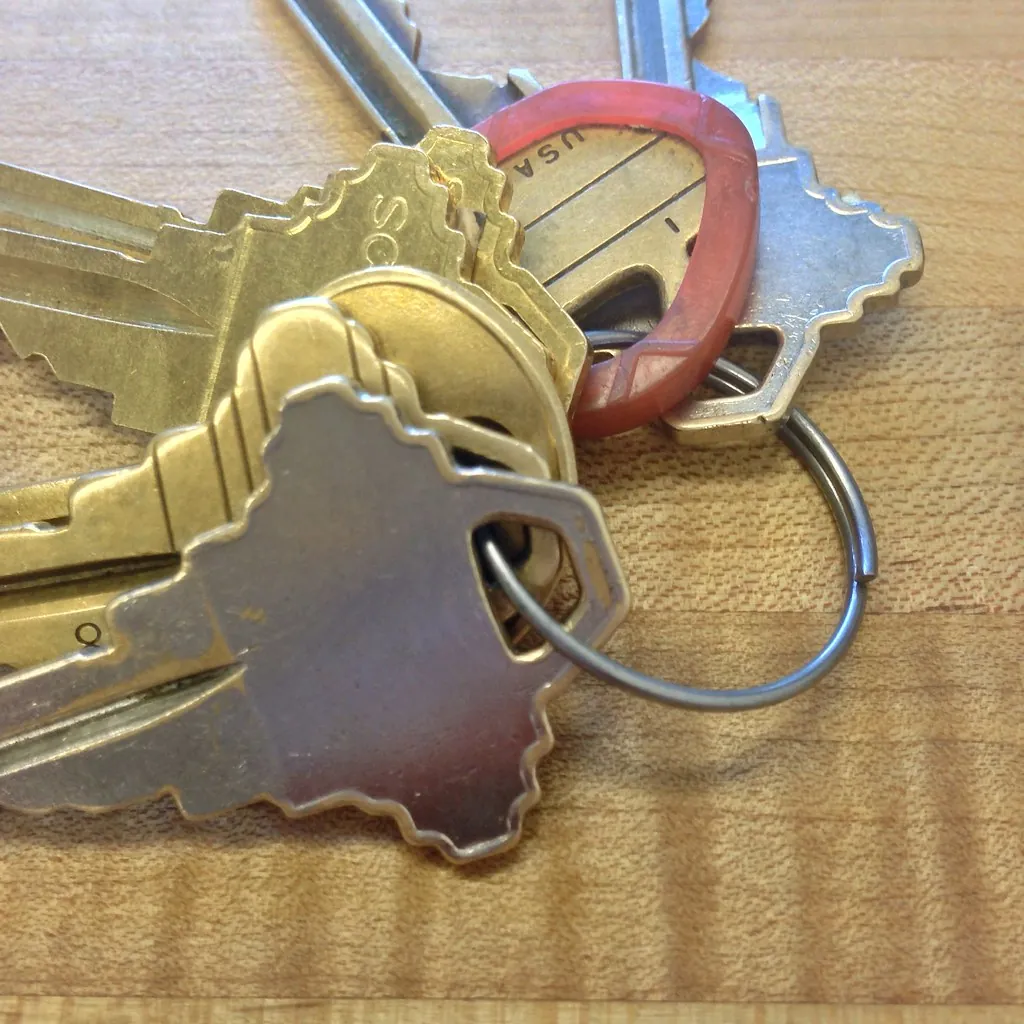
Return all keys, fobs, garage openers, and parking tags, and get a written or emailed confirmation of the date you returned them. That date often matters for deadlines.
What to do if your deposit is late or short
Deadlines and rules vary by state. In Texas, under the Texas Property Code, a landlord generally must refund the deposit or provide a written, itemized list of deductions within 30 days after the tenant surrenders the unit. Texas law also prohibits deducting for normal wear and tear and has penalties for landlords who keep a deposit in bad faith. If you live elsewhere, look up your state's rules.
If your money does not arrive, or the deductions look wrong:
- Ask for the itemized list in writing if you did not get one.
- Compare each charge to your photos and lease. Mark which charges you dispute and why.
- Send a polite, written demand letter. State the amount you believe you are owed, attach your evidence, and give a reasonable deadline to respond. Keep proof that you sent it, such as certified mail.
- Consider small claims court (in Texas, justice court) if the landlord does not respond. Filing fees are usually modest and you do not need a lawyer to file.
Free Texas resources, including sample letters, are available at TexasLawHelp.org. This article is general information, not legal advice; for your specific situation, talk to a local legal aid office or attorney.
Frequently asked questions
Can my landlord charge for carpet cleaning?
It depends on your lease and local law. Many leases include a carpet cleaning clause, but charges for ordinary wear from normal living are generally not allowed. Read your lease and compare the carpet to your move-in photos.
Can I use my deposit as my last month's rent?
Usually not, unless your landlord agrees in writing. In Texas, withholding last month's rent on the theory that the deposit covers it can expose a tenant to liability. Pay rent as normal and request the deposit back properly.
What if I moved out early?
Your landlord may be able to deduct unpaid rent or other costs your lease allows. You are still generally entitled to an accounting of deductions, so give your forwarding address in writing either way.
How long should I keep my photos?
Keep them until your deposit dispute is fully resolved, and ideally for a few years after. Cloud storage makes this easy.
Have you won a deposit dispute or found a move-out trick that saved you money? Share it with other renters in the Renting community.
0 comments
No comments yet. Be the first to share your take.