
How to Lower Your Electric Bill in Summer: A Texas Guide
In this guide
Texas summers don't let up, and neither do the bills. The goal isn't to swelter in a hot apartment; it's to cut the waste so your AC works smarter instead of longer. Here's how to lower your electric bill in summer, whether you rent a one-bedroom in Houston or own a house in the Hill Country.
Why Texas summer bills spike
In most Texas homes, air conditioning is the biggest energy user in summer. When it's 100°F outside and you want 74°F inside, your AC is fighting a huge temperature gap all afternoon. Sun pouring through windows, leaky doors, a dirty filter and heat-producing appliances all make it work even harder.
So the strategy is simple: keep heat out, help the AC run efficiently, and move heat-producing chores to cooler parts of the day.
Thermostat habits that make the biggest difference
Your thermostat setting affects your bill more than almost anything else you control.
- Set it as high as you're comfortable with. The U.S. Department of Energy suggests 78°F when you're home and awake. The smaller the gap between inside and outside, the less your AC runs.
- Raise it when you're away. Bumping the setting up several degrees while you're at work saves energy. You don't need to shut the AC off entirely, and you shouldn't if pets are home or your area is very humid.
- Pre-cool in the morning. Cooling the home a little more early in the day, then letting it drift up in the late afternoon, can help, especially if your plan charges more at peak times.
- Don't crank it down to 65°F to cool off faster. Most AC systems cool at the same rate no matter the setting; a lower number just makes them run longer.
- Automate it with a programmable or smart thermostat so setbacks happen without you thinking about it. Renters, get permission first and keep the original to reinstall when you move. Our list of smart home gadgets for apartments has more renter-friendly ideas.
Keep lamps, TVs and other heat sources away from the thermostat. They can trick it into running the AC more than needed.
Let fans do some of the work
Fans don't lower the room temperature. They make you feel cooler by moving air across your skin, which lets you raise the thermostat a few degrees without noticing.
- Set ceiling fans to spin counterclockwise in summer so they push air down.
- Turn fans off when you leave the room. They cool people, not spaces, so a fan in an empty room is just using electricity.
- Use a box or tower fan in rooms without a ceiling fan, and aim it where you actually sit or sleep.
- Run the bathroom fan while you shower and the kitchen hood while you cook to pull out heat and moisture, then switch them off.
Block the sun with blinds and curtains
Sunlight through windows is a major source of heat, especially on west- and south-facing windows in the afternoon.
- Close blinds and curtains during the hottest part of the day, especially on the sunny side of your home.
- Hang blackout or thermal curtains. They're renter-friendly, work with a tension rod or existing hardware, and help block heat.
- Try removable window film that reflects heat. Many static-cling versions peel off cleanly, but check your lease first.
- Homeowners: exterior shading such as solar screens, awnings or shade trees stops heat before it ever reaches the glass.
Time your appliances
Ovens, dryers and dishwashers add heat to your home and pull a lot of power. Shift them when you can:
- Run the dishwasher, washer and dryer in the morning or late evening instead of mid-afternoon.
- Skip the oven on hot days. A microwave, slow cooker, air fryer or outdoor grill adds far less heat indoors.
- Air-dry dishes, wash full loads, and use cold water for laundry.
- Clean the dryer lint filter every load so clothes dry faster.
- Cut standby power with smart plugs or power strips for game consoles, extra TVs and chargers.
- Switch to LED bulbs. They use less electricity and give off much less heat than incandescent bulbs.
If you're on a time-of-use plan, or ERCOT asks Texans to conserve during a heat wave, late afternoon and early evening are the hours to go easy.
Keep your AC healthy: filters and maintenance
A struggling AC costs more to run and is more likely to quit on the hottest day of the year.
- Check the air filter monthly in summer and replace it when it looks dirty, typically every one to three months. A clogged filter restricts airflow and makes the system work harder.
- Keep vents clear. Don't block supply or return vents with furniture, rugs or curtains.
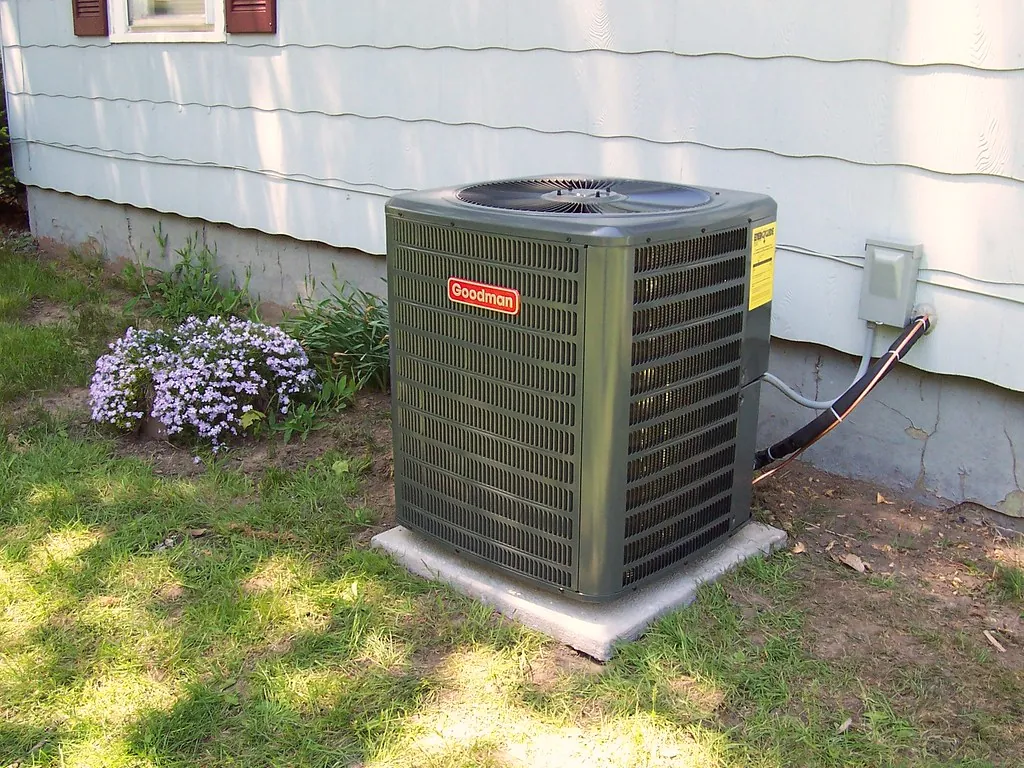
- Give the outdoor unit room to breathe. Clear weeds, leaves and stored items away from it.
- Seal air leaks around doors and windows with weatherstripping or a door draft stopper.
- Homeowners: schedule an AC tune-up in spring, before the summer rush.
- Renters: report weak cooling, ice on the refrigerant lines or water leaks to your landlord in writing right away, and check your lease for who handles repairs. If you're apartment hunting, see our picks for Dallas apartments with the best AC.
Shop your rate on Power to Choose
In much of Texas, including large parts of Houston and Dallas-Fort Worth, the electricity market is deregulated, so you can pick your retail electricity provider. Not every area works this way: places served by city-owned utilities, such as Austin Energy and CPS Energy in San Antonio, and many electric co-ops are outside that market.
If you're in a deregulated area, the state's official comparison site, Power to Choose, lets you compare plans by ZIP code. A few tips:
- Know your usage. Check past bills or your smart meter data to see how many kWh you use in a summer month.
- Read the Electricity Facts Label (EFL) for every plan. Advertised rates are tied to specific usage levels, like 500, 1,000 or 2,000 kWh.
- Watch out for bill credits and usage tiers. Some plans only look cheap if you land in a narrow usage range.
- Check the contract length and early termination fee, and set a reminder before your contract ends so you don't roll onto a pricier month-to-month rate.
Quick-win checklist
| Tip | Cost | Good for renters? |
|---|---|---|
| Raise the thermostat a few degrees | Free | Yes |
| Close blinds on sunny windows | Free | Yes |
| Run appliances morning or night | Free | Yes |
| Turn fans off in empty rooms | Free | Yes |
| Replace a dirty AC filter | Low | Yes (ask who supplies filters) |
| Blackout or thermal curtains | Low | Yes |
| Weatherstripping and draft stoppers | Low | Usually, with permission |
| Smart thermostat | Moderate | With landlord approval |
| Solar screens or shade trees | Higher | Homeowners |
Frequently asked questions
What temperature should I set my thermostat to in a Texas summer?
The Department of Energy suggests 78°F when you're home, and higher when you're away. If that feels too warm, start where you're comfortable and try raising it a degree at a time with a fan running.
Is it cheaper to leave the AC on all day?
Raising the setting while you're out generally uses less energy than holding the house cool all day. In extreme heat, use a moderate setback rather than shutting it off, especially if pets are home.
Do blackout curtains really help?
Yes. They reduce the heat that comes in through windows, and they make the biggest difference on west- and south-facing rooms that get strong afternoon sun.
Can I choose my electricity provider in Texas?
If you live in a deregulated area, yes. Enter your ZIP code on Power to Choose to see whether plans are available where you live.
What's your best trick for beating a Texas summer bill? Swap ideas with other Texans in our Texas Living community.
0 comments
No comments yet. Be the first to share your take.